
Arc-Flash Studies Explained: What They Are and When You Need One
Arc-flash studies get requested reactively, usually after an incident or an audit finding. Here's what the study actually calculates and why waiting for a trigger event is the expensive way to find out you need one.
Pathworks Engineering Team
An arc-flash study calculates the incident energy released if an arcing fault occurs at a given point in an electrical system, and translates that into required PPE categories and safe approach boundaries for anyone working near live equipment. It's a safety document with legal and insurance weight, not a formality.
What the study actually requires as inputs
An accurate arc-flash study depends on an accurate short-circuit and protection coordination study underneath it — equipment ratings, cable lengths and sizes, transformer impedances, and current protection device settings. Gaps in any of these inputs produce a study that looks authoritative but understates real risk.
Common triggers we see
New equipment installation, a utility service change that alters available fault current, an insurance or OSHA-adjacent audit finding, or simply the discovery that no study exists and equipment has aged past its original documentation. Any electrical system that's been modified since its last study is a candidate for a refresh, not just new systems.
Labels are the visible output, not the whole deliverable
Arc-flash labels on equipment are what people see day to day, but the underlying study — the calculations, the assumptions, the one-line it was built from — is what makes the labels defensible. A label without a documented study behind it is a liability, not a safety measure.
Have a project like this to scope?
A sketch, a photo, or a rough spreadsheet is enough to start.
Start a ProjectSupport work we provide
We support the drafting and documentation layer of arc-flash work: building or updating the single-line diagrams and equipment data the study depends on, and preparing the documentation package around a licensed engineer's calculations and sign-off. We don't stamp arc-flash studies ourselves — that requires a licensed engineer in the relevant jurisdiction, and we work alongside yours.
Related articles


Reading a Single-Line Diagram: A Field Engineer's Quick Reference
Single-line diagrams pack an entire electrical system into one page of symbols. If you're not fluent in the notation, here's a working reference you can actually use on site.
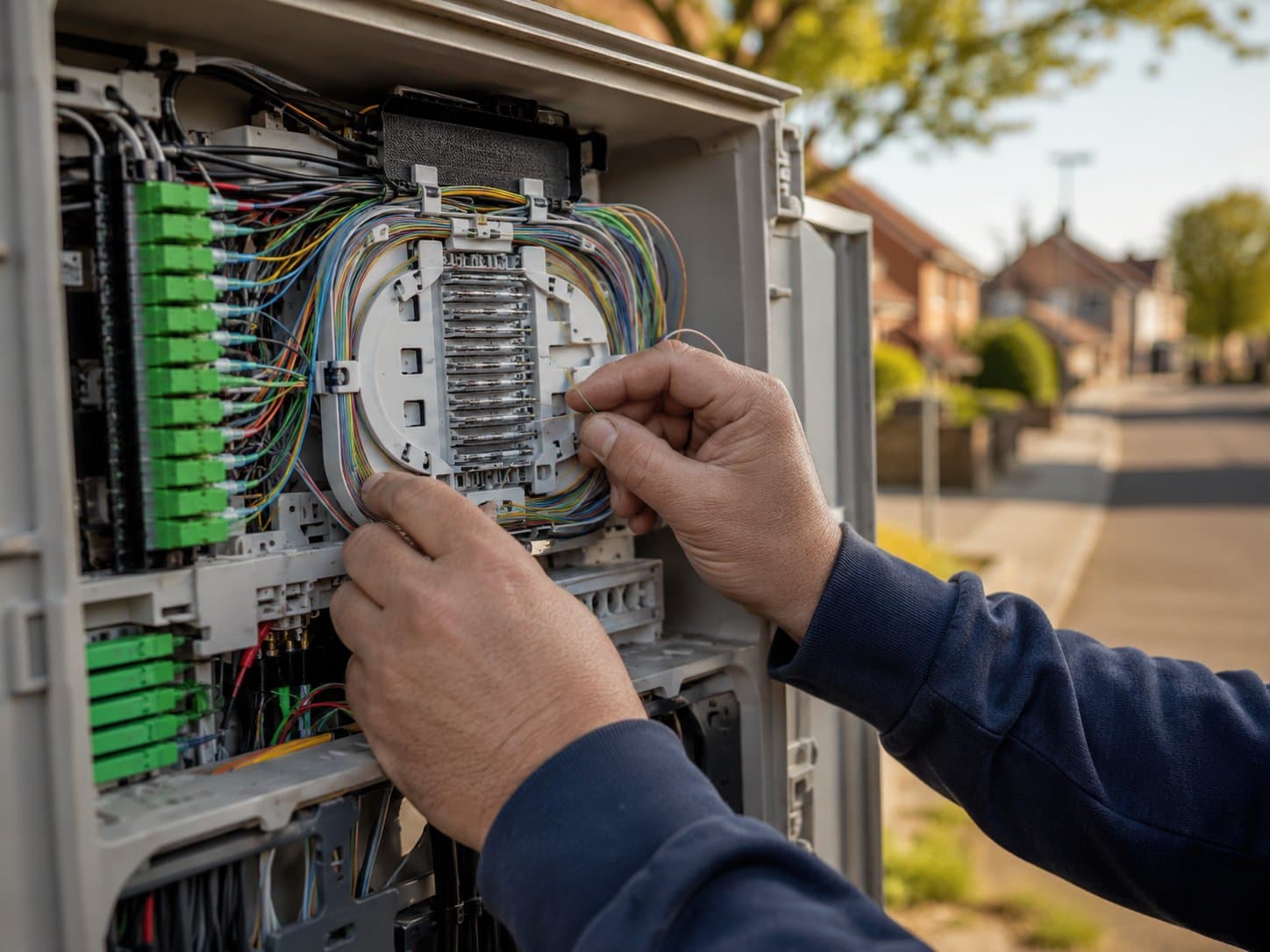

What Makes a Fiber Network Design "Build-Ready"? A Practical Checklist
A design that looks finished on screen isn't the same as a design a construction crew can actually build from. Here's the checklist we run every LLD package against before it goes out the door.

Outsourced CAD Drafting for Telecom: What to Send Us to Get an Accurate Quote
The single biggest driver of quote accuracy isn't how polished your input is — it's whether we know the scope. Here's what actually moves a quote from a rough estimate to a firm number.